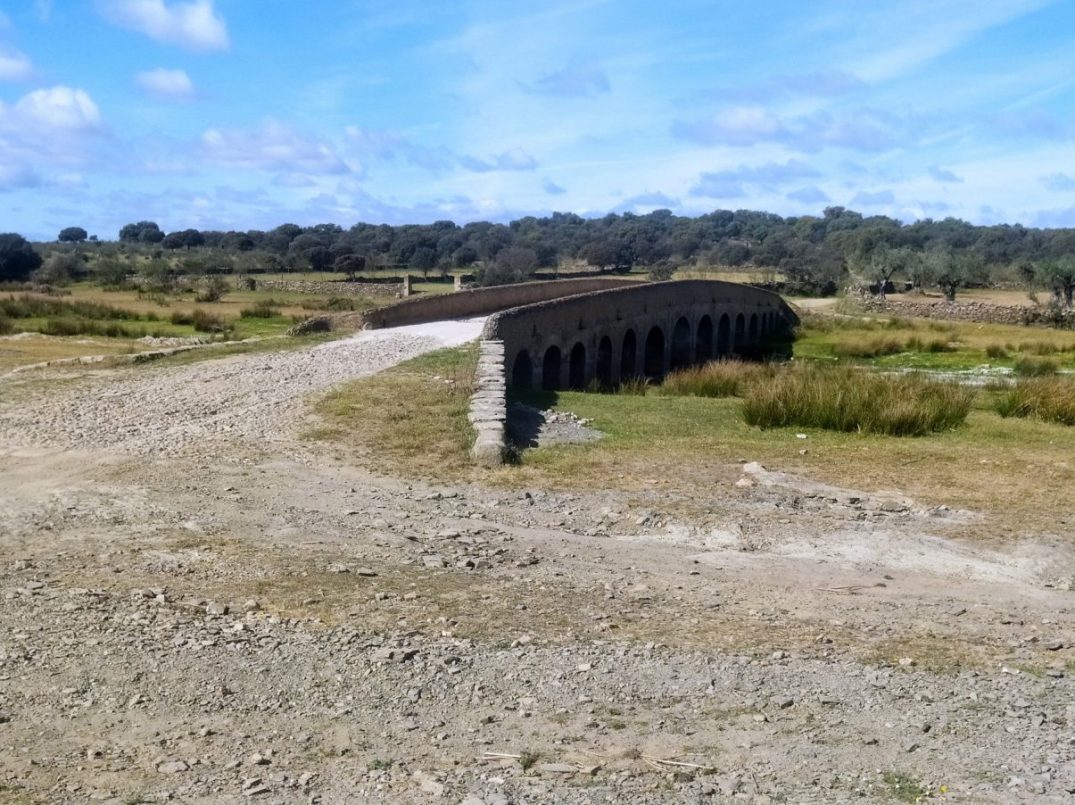
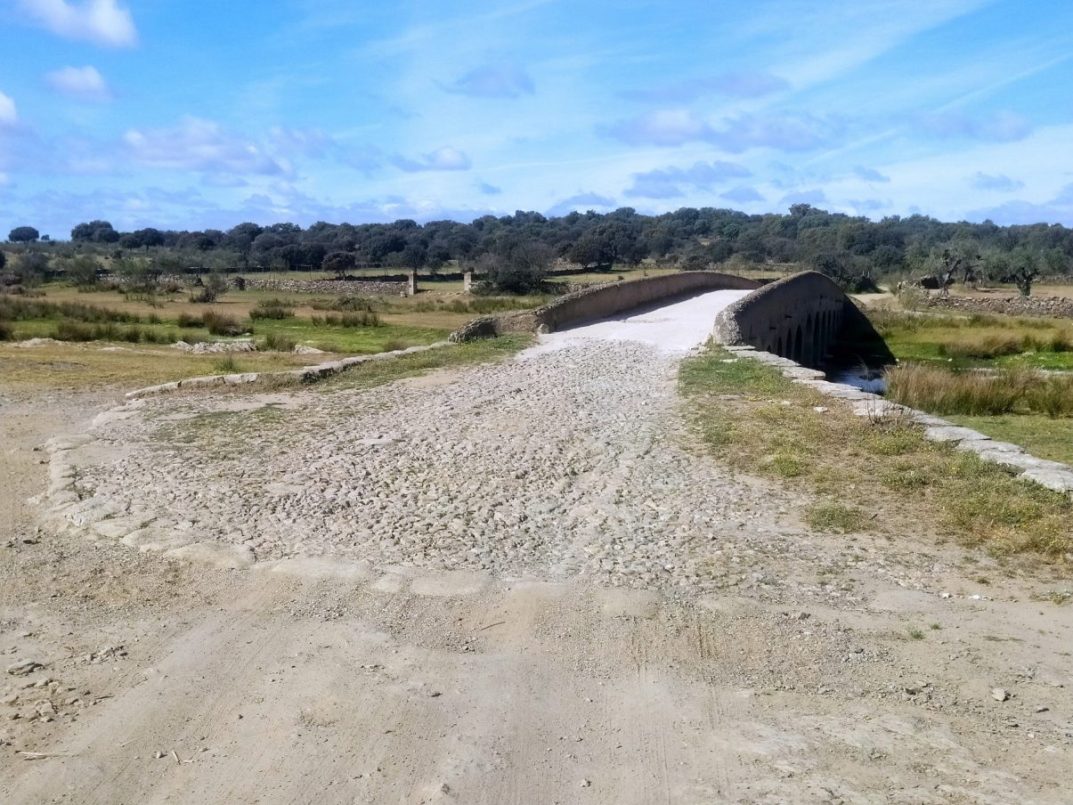
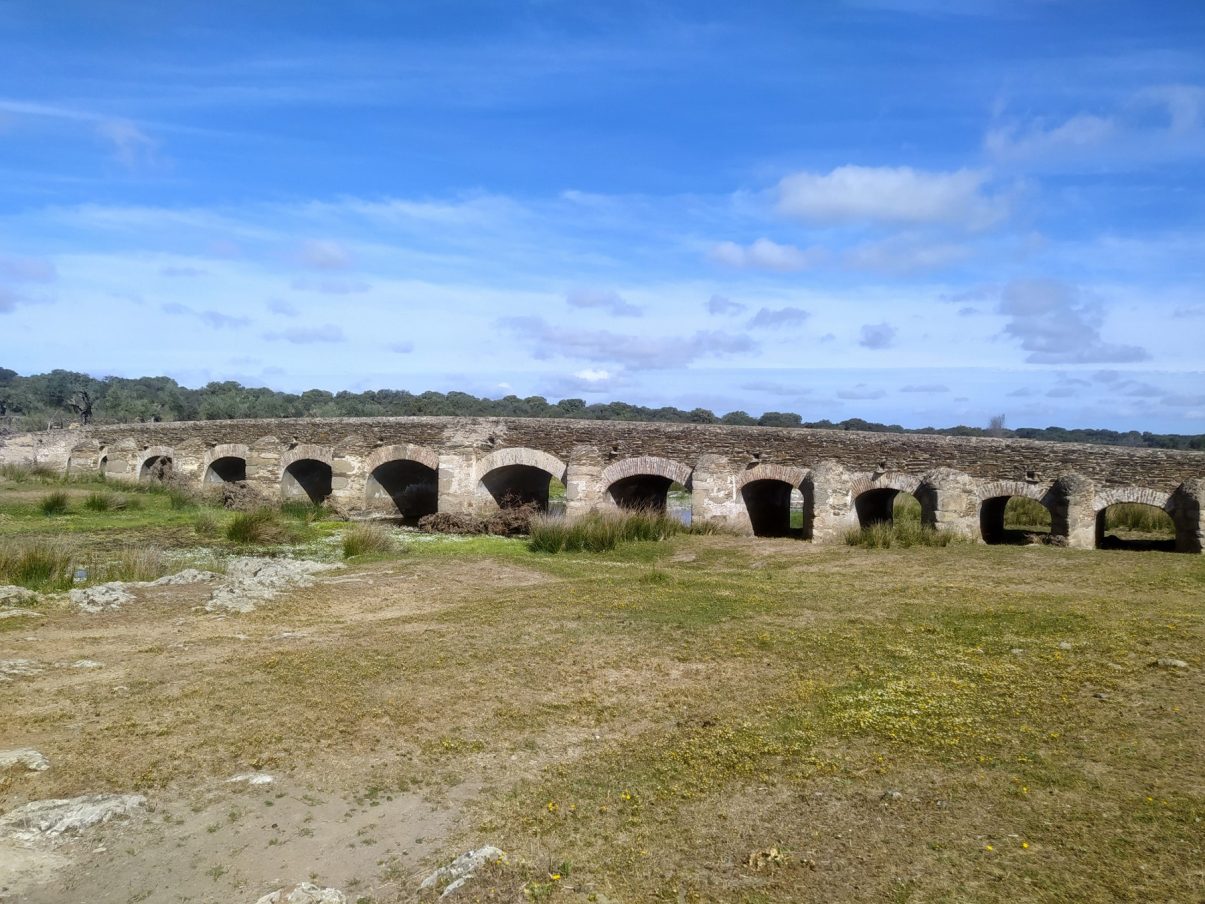
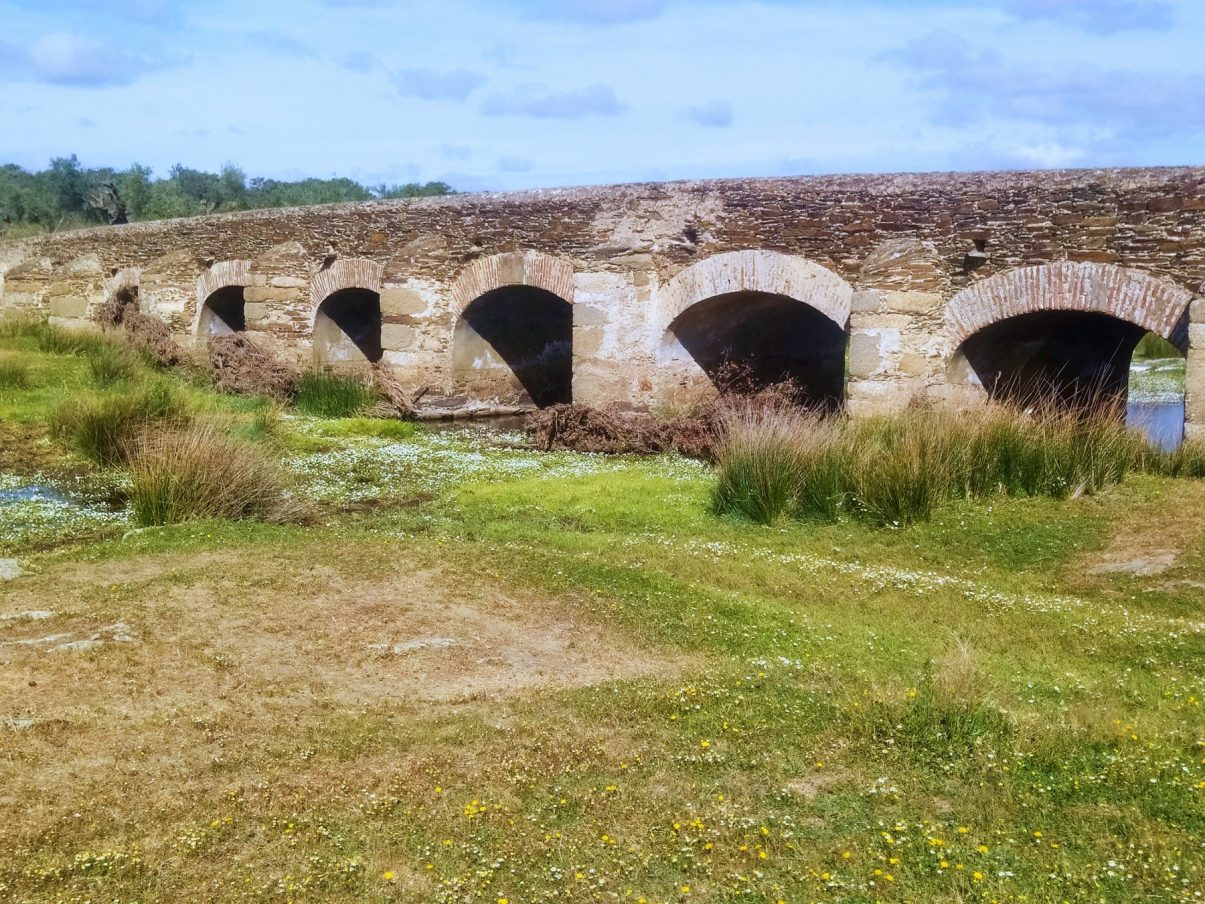
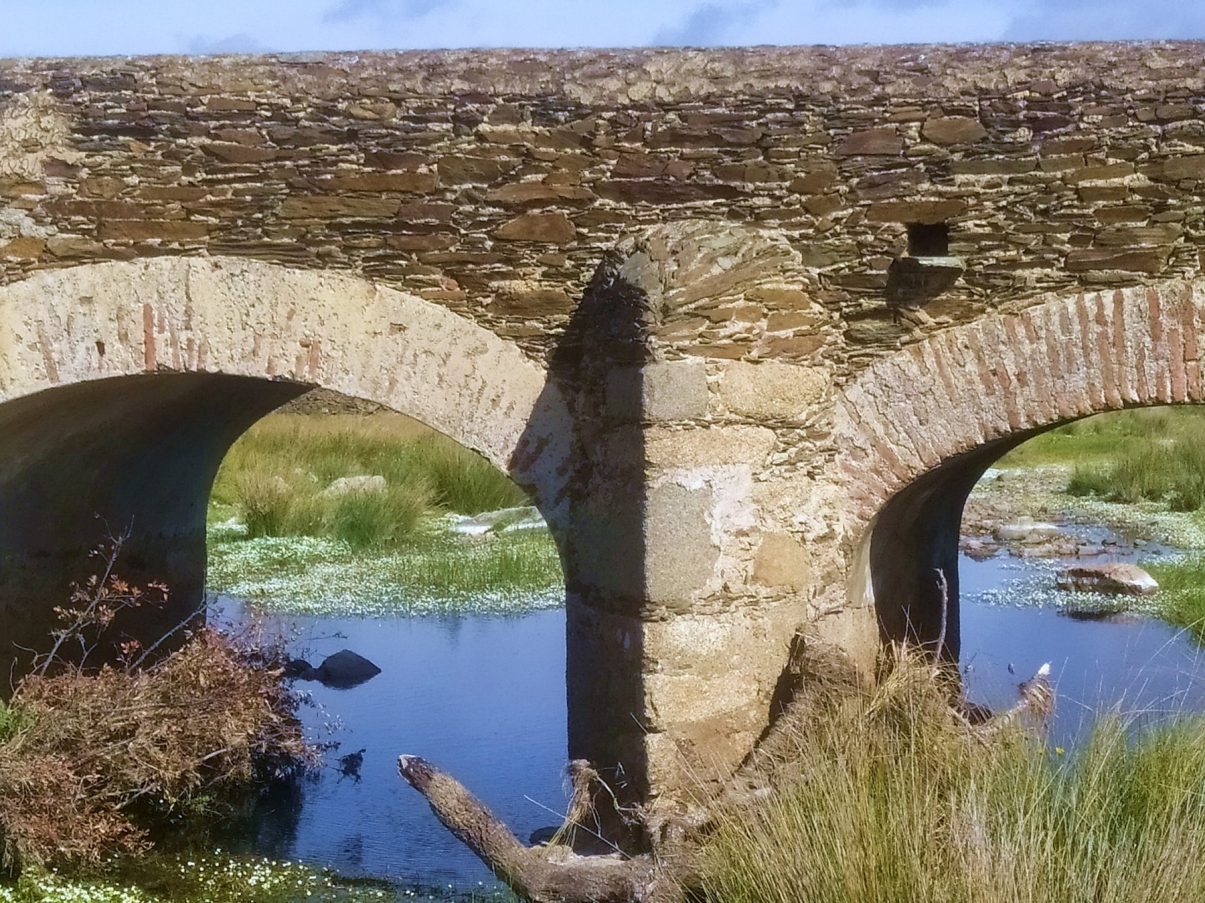
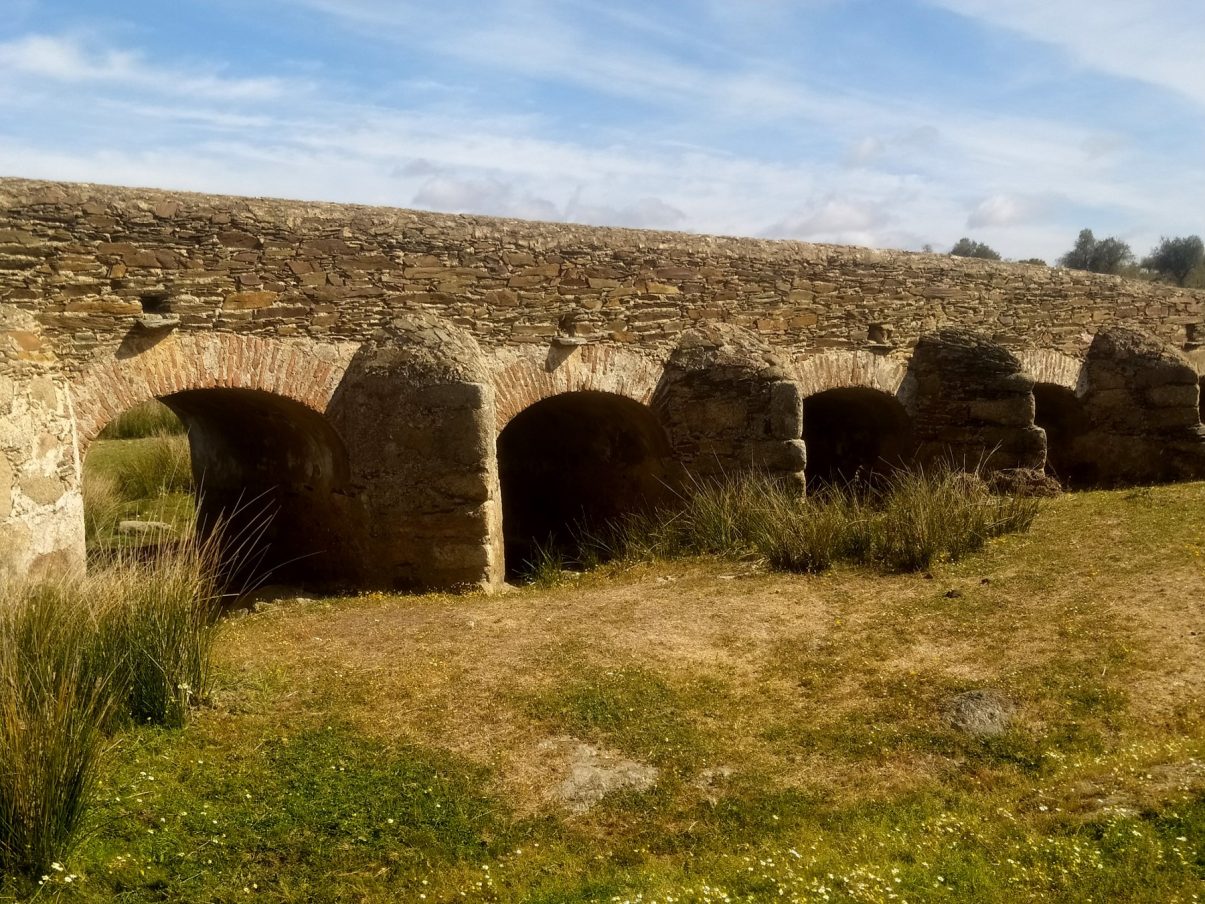
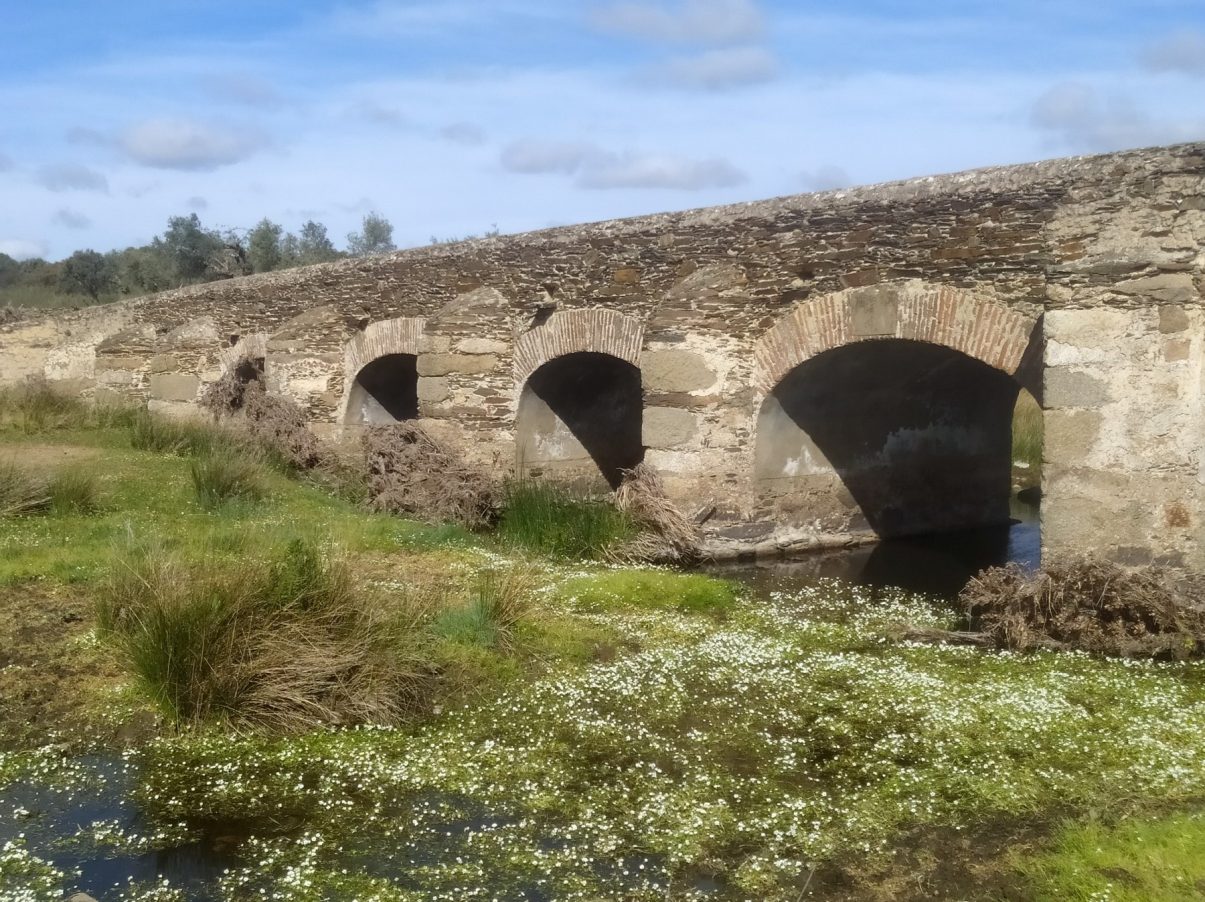
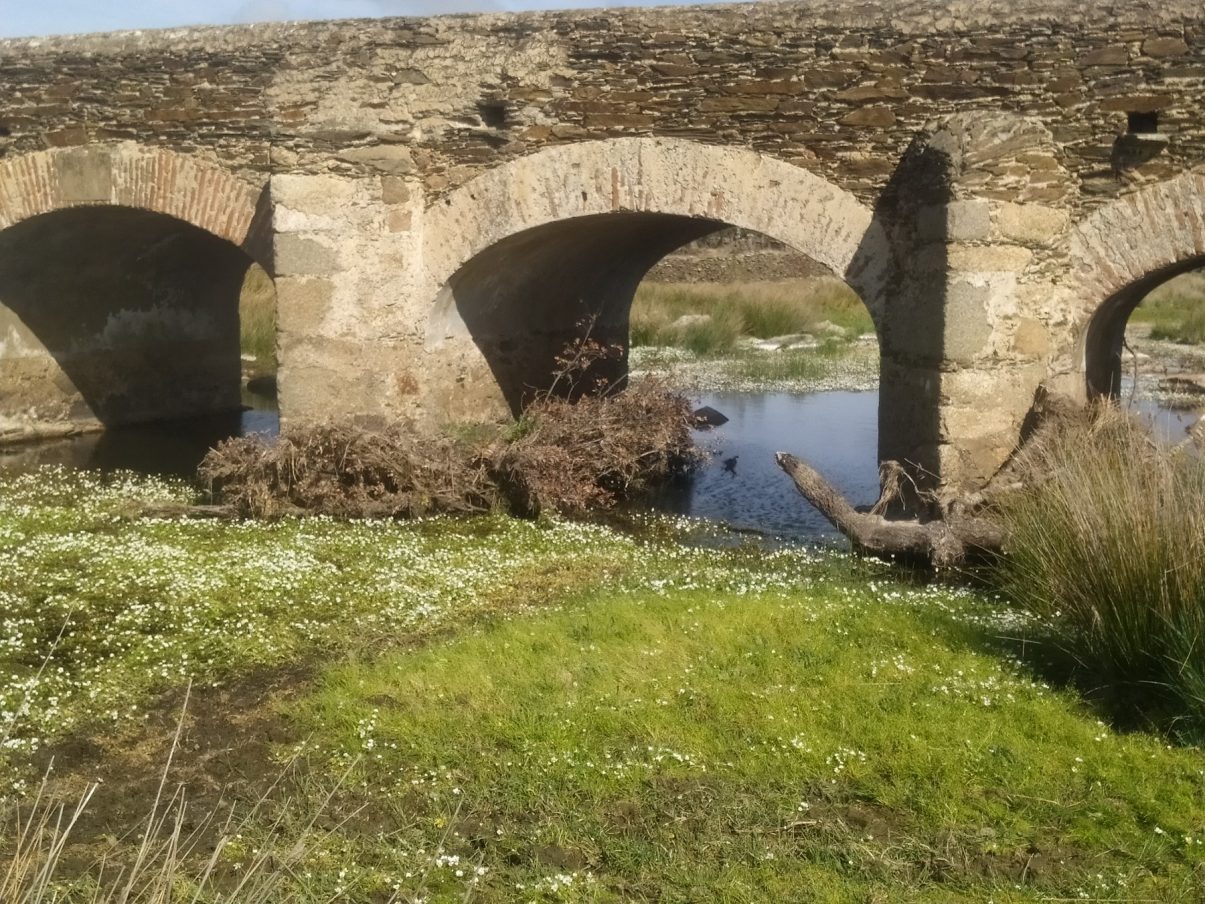
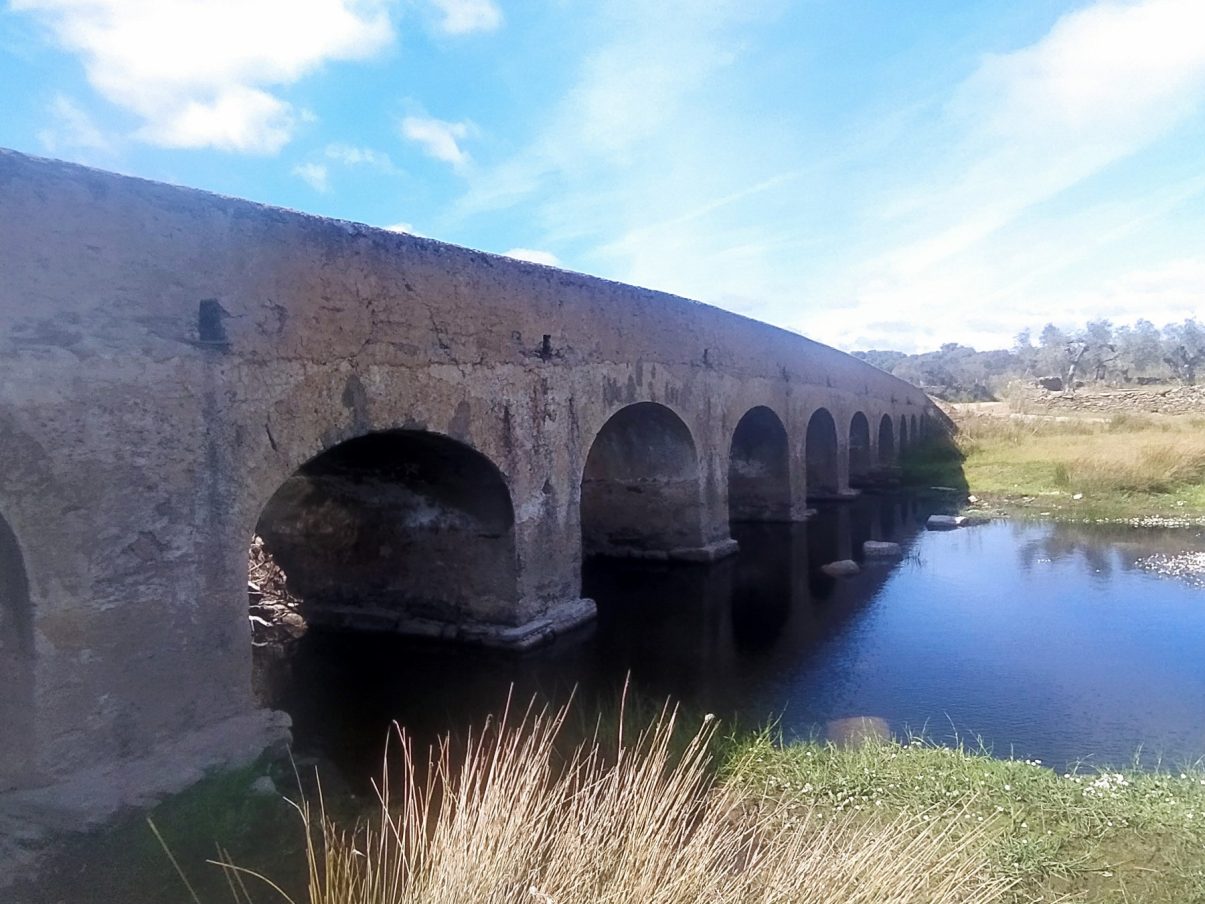
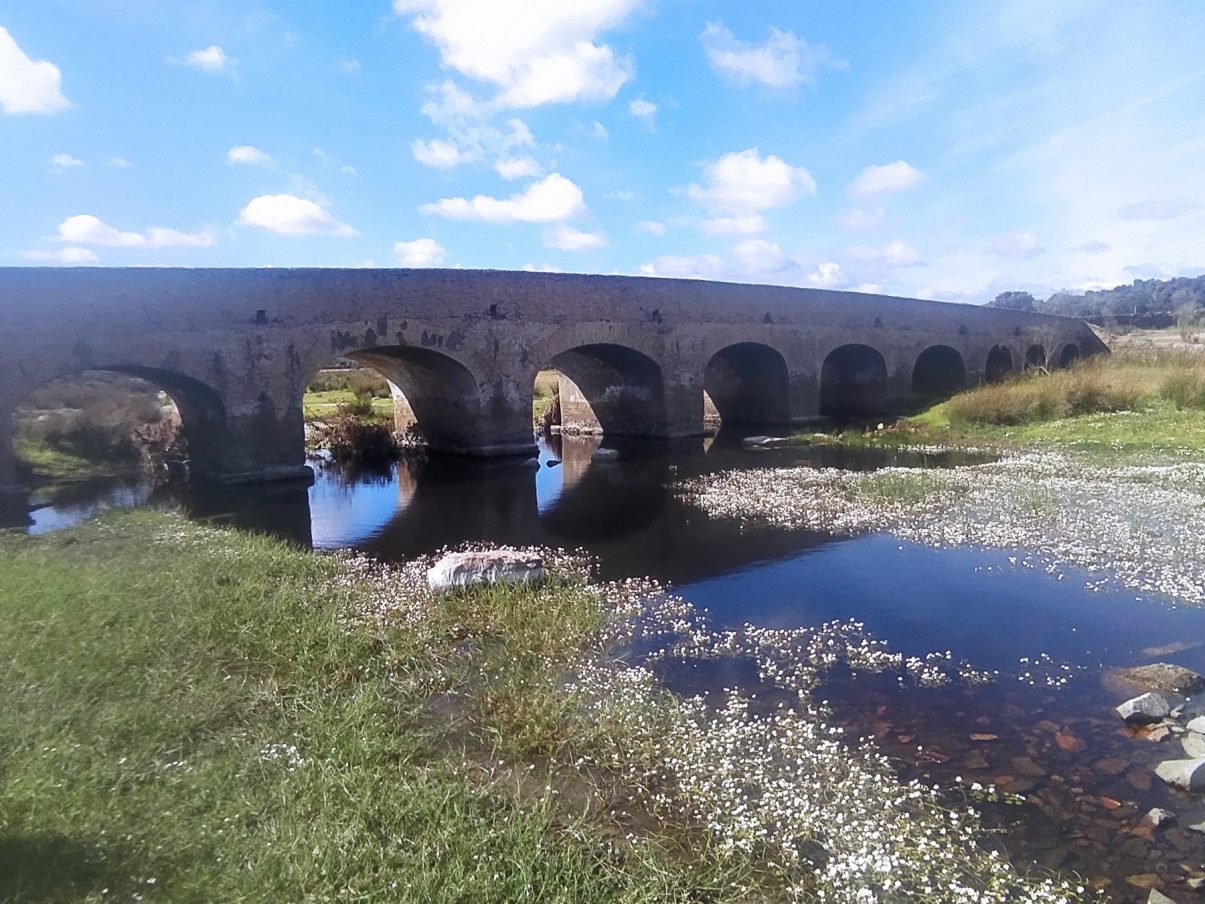
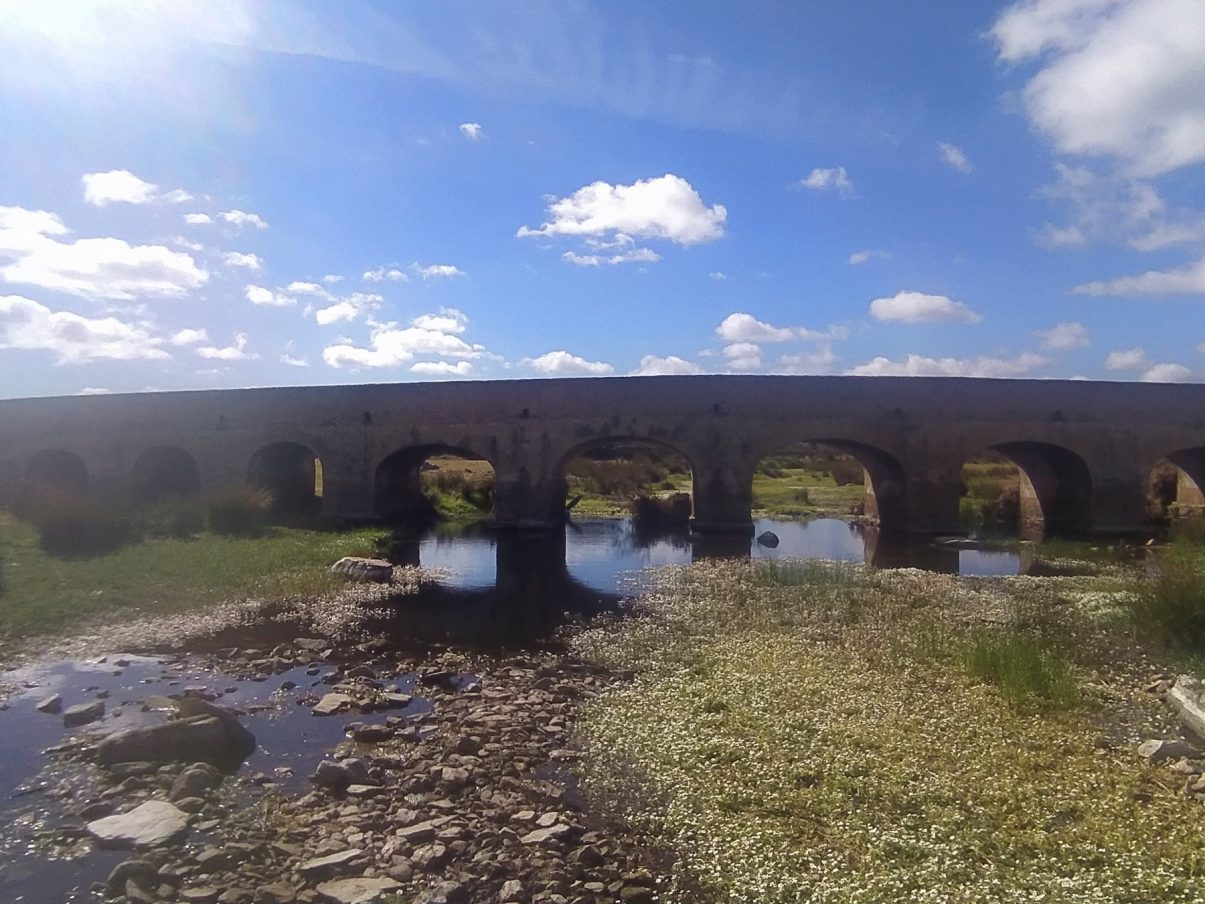
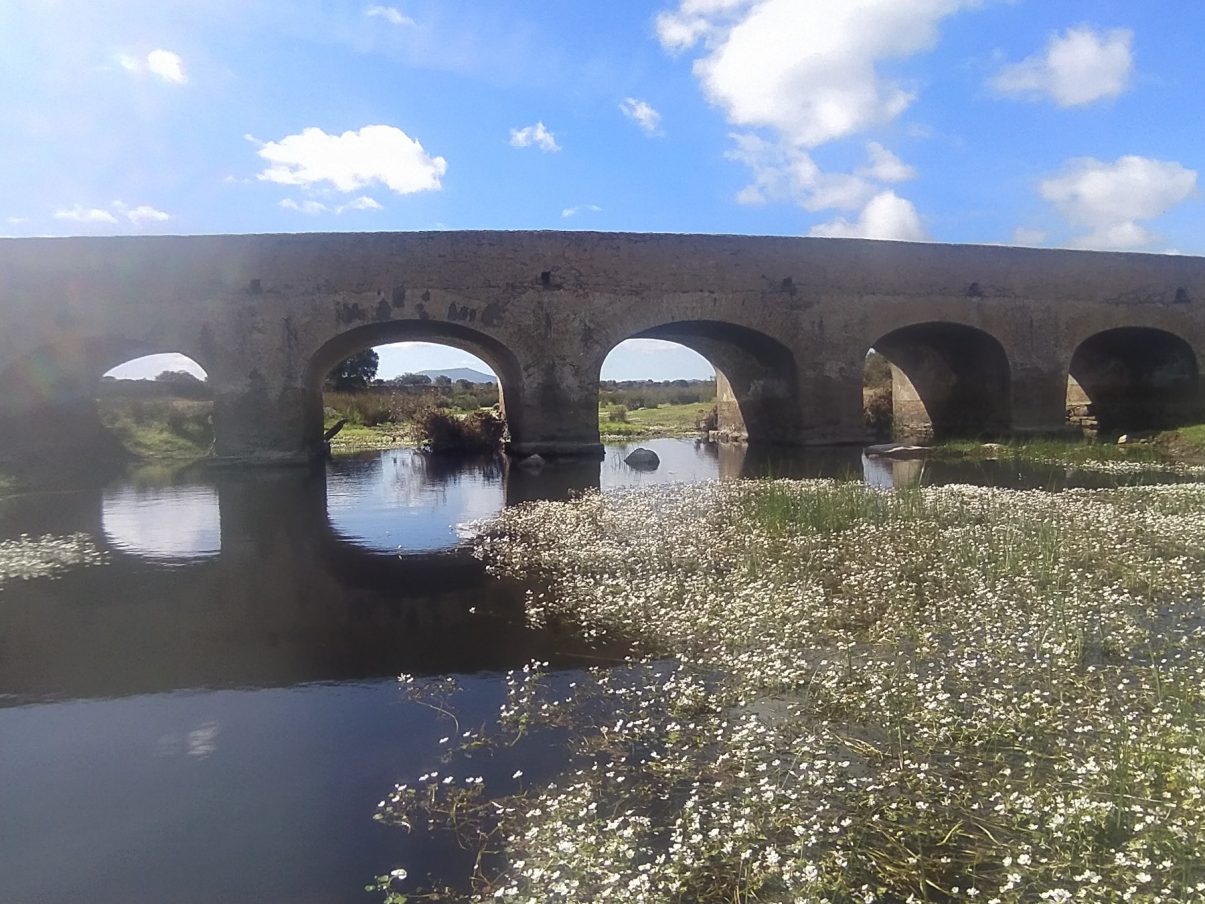
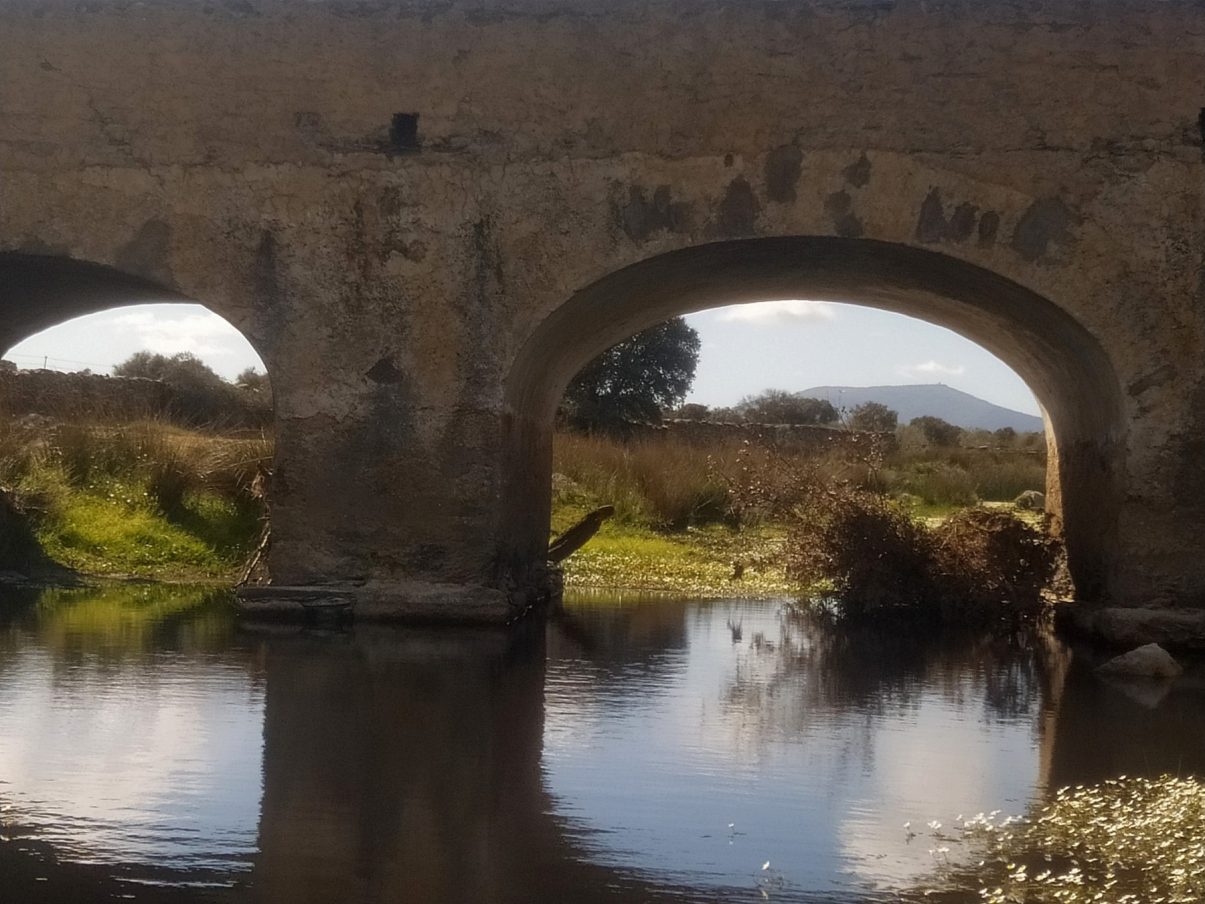
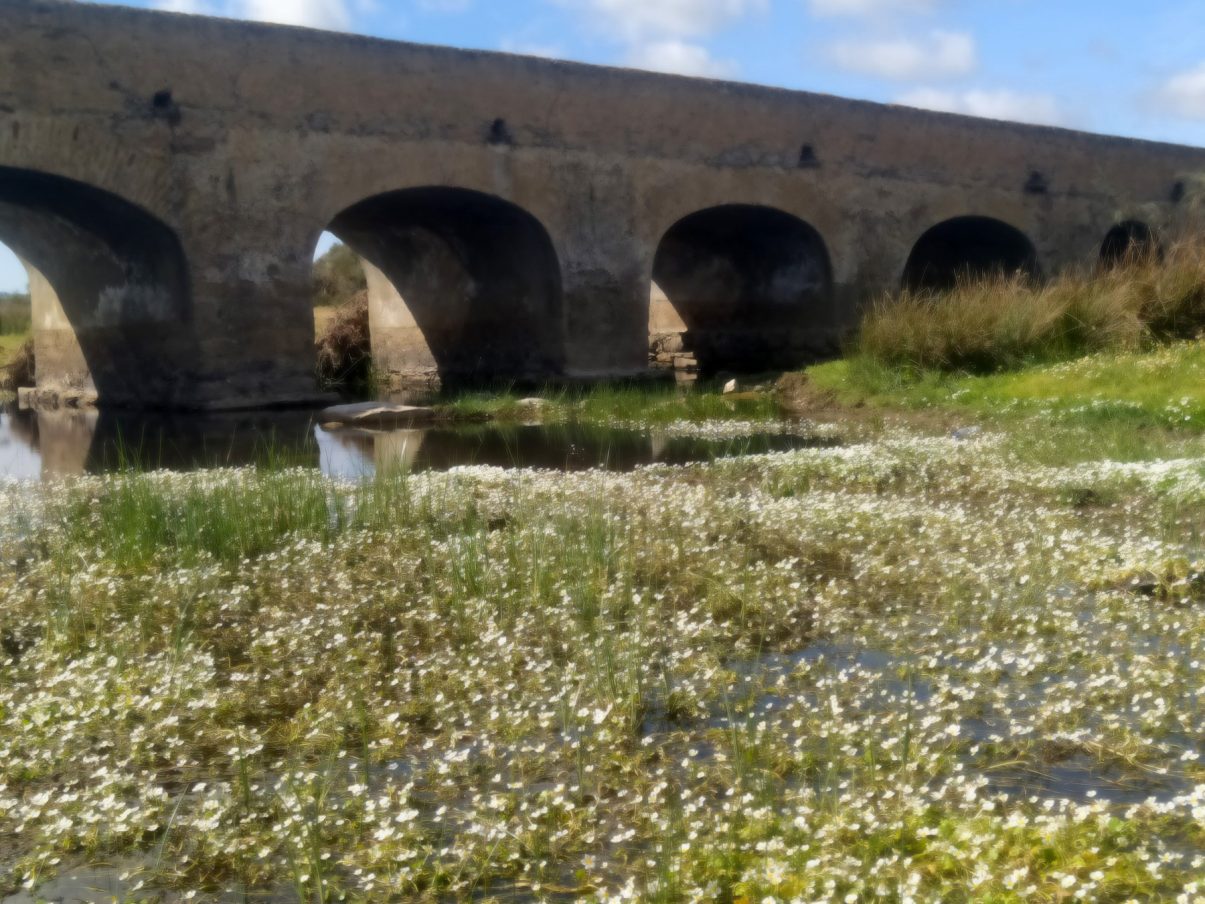
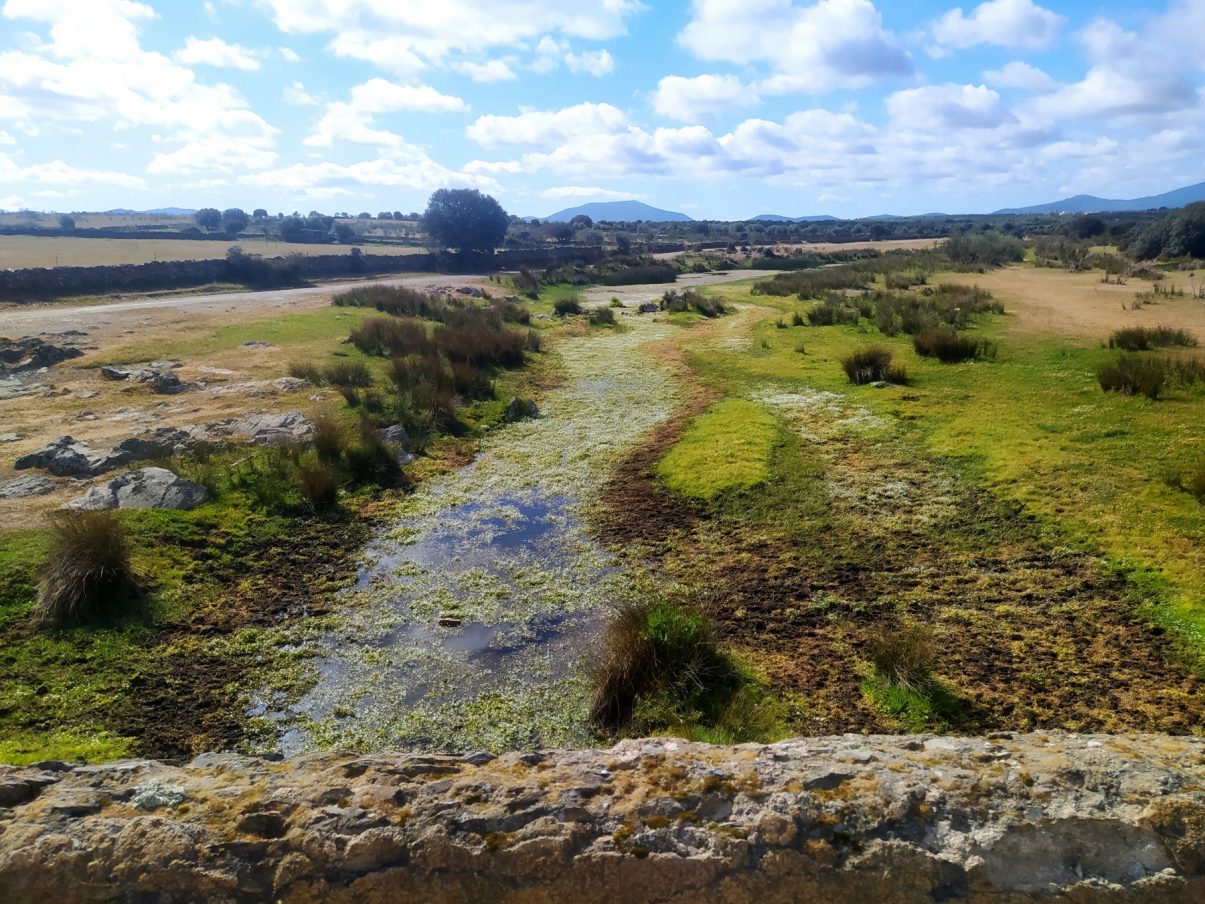
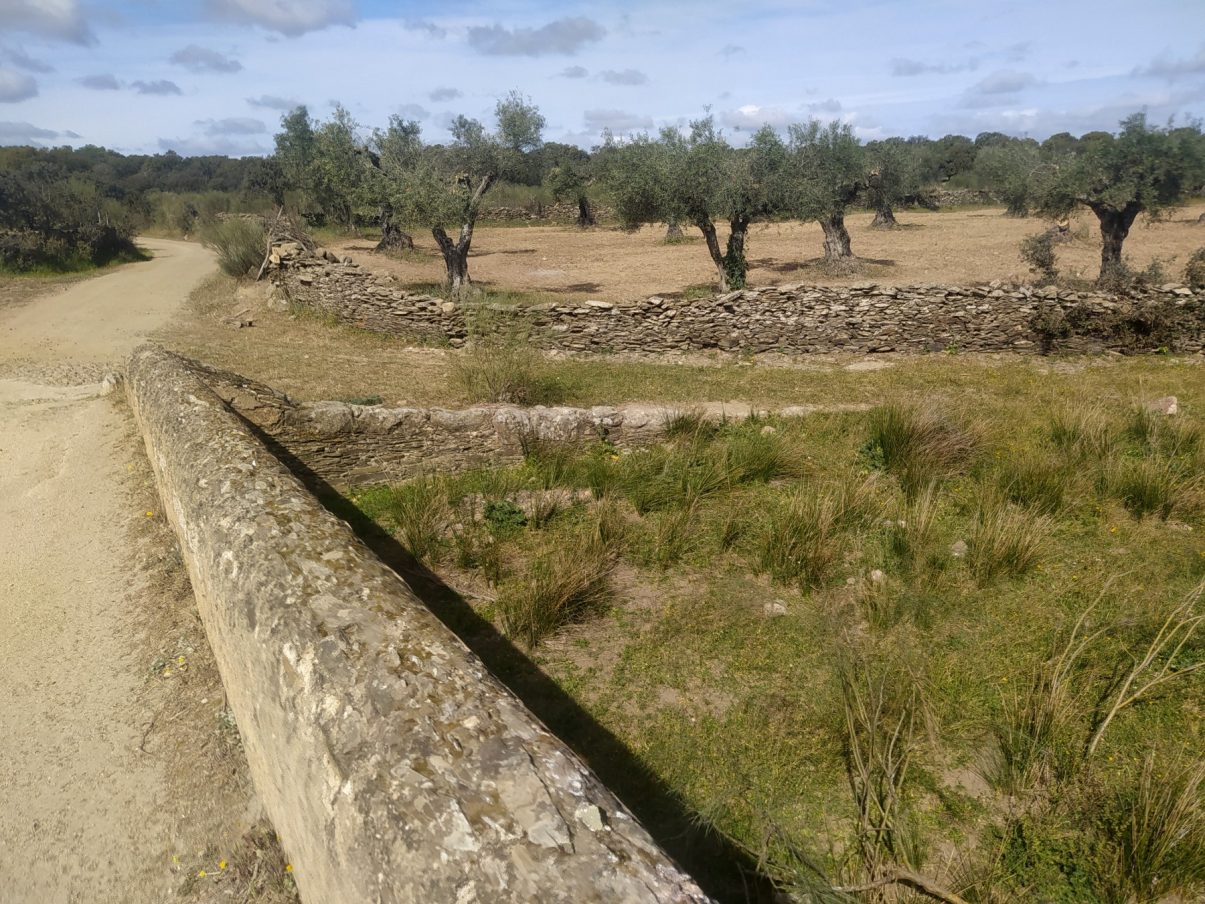
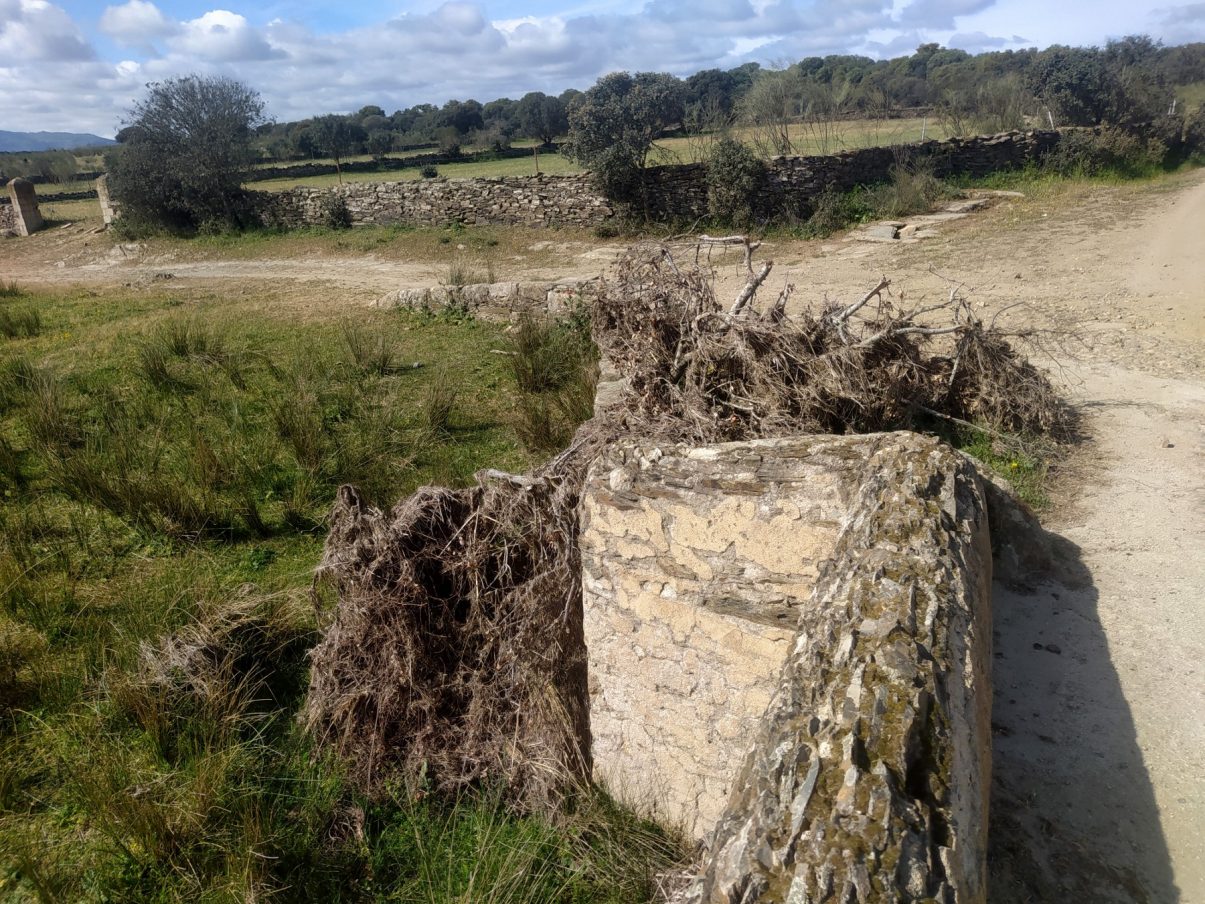
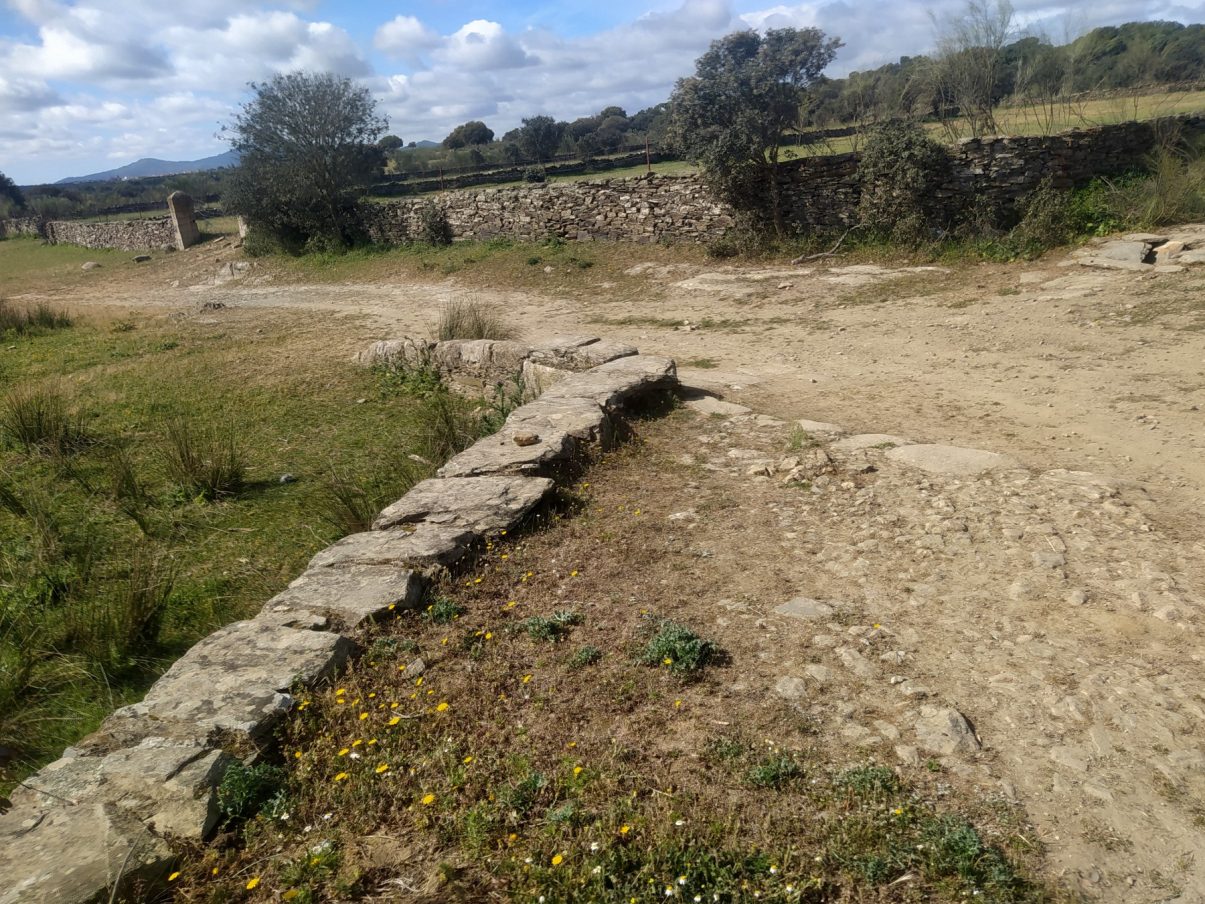
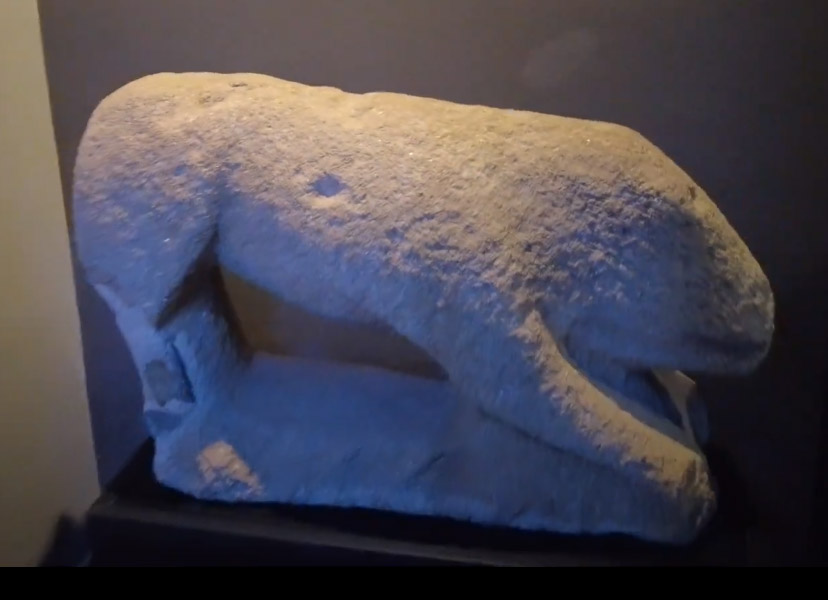
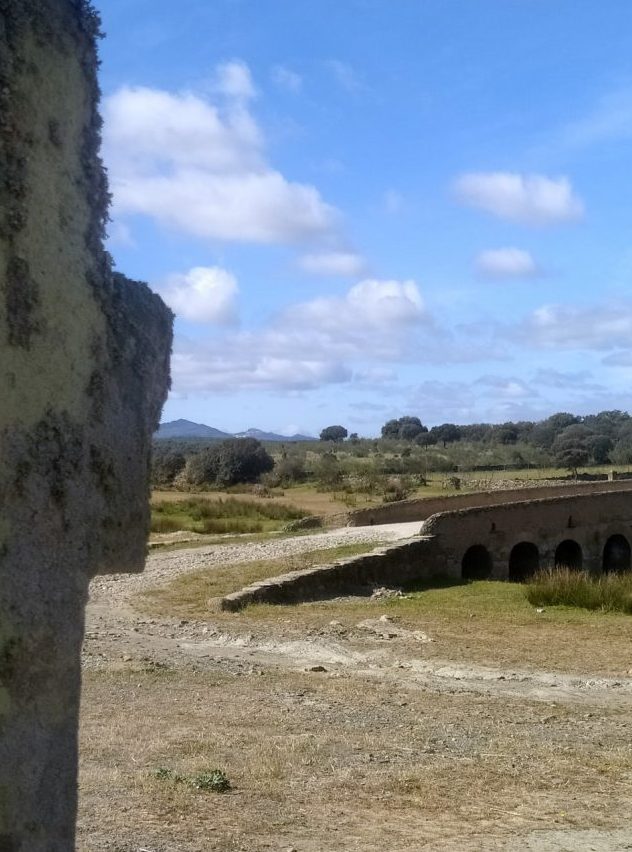
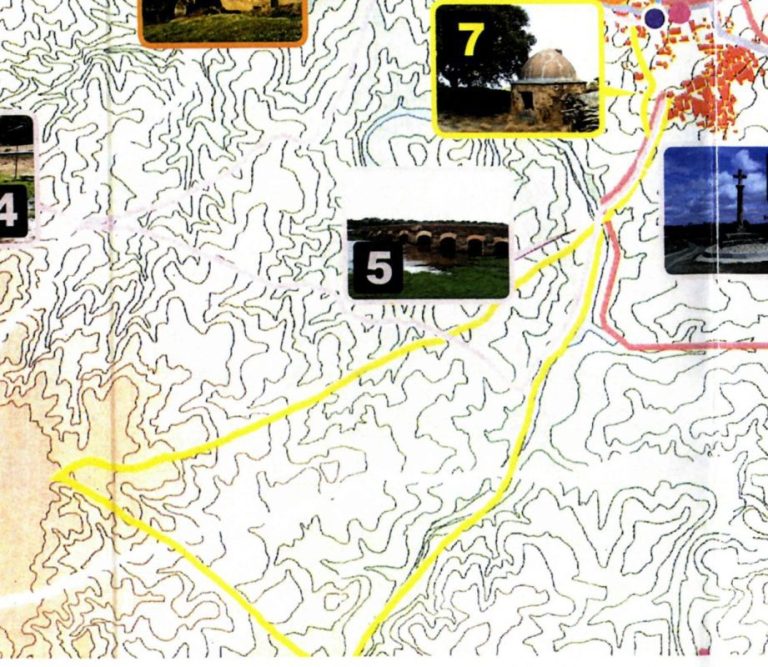
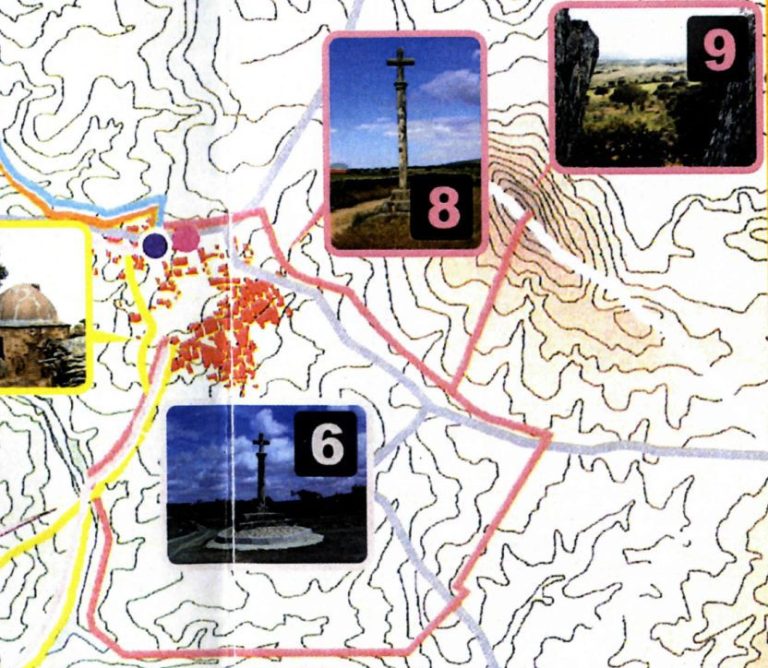
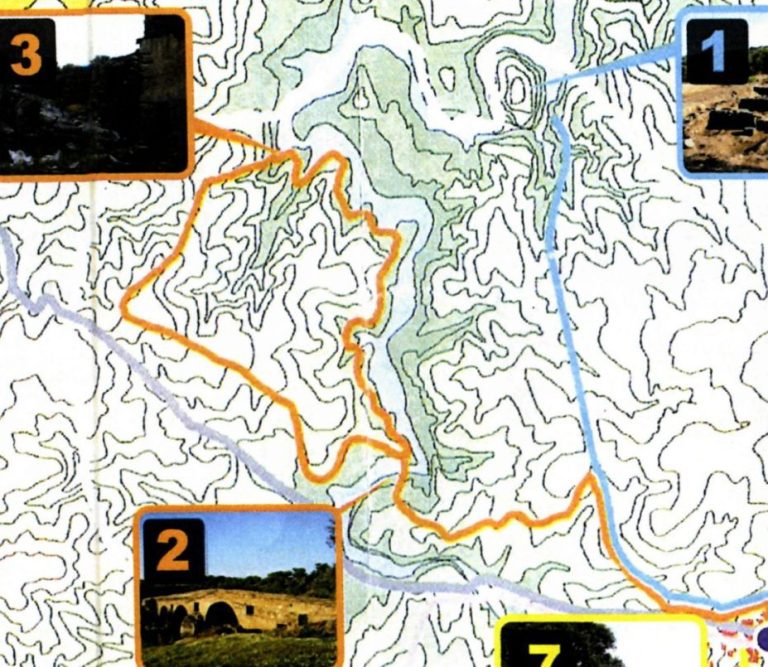
It is so named because a boar, reused in the construction, was found in one of the cutwaters on the upstream side of the bridge.
It was transferred to the Provincial Archaeological Museum of Cáceres. In Botija, in turn, more boars have been found, which shows the settlement of the Vetton people in this area, whose maximum expression is found in the Castro Vetton of Villasviejas del Tamuja, where other zoomorphic sculptures of the same type were also found. It dates from the second Iron Age (IV-II centuries B.C.), we can see it in the Provincial Archaeological Museum of Cáceres.